Frank Liu
After being impacted by Google's layoffs, I decided to deepen my technical skills, initially with a simple goal: become a better technical recruiter. I wanted to understand the engineers I recruited beyond job descriptions and keywords—how they build, debug, collaborate, and solve problems.
That curiosity eventually took me much further than I expected. I learned software engineering fundamentals and began building my own projects, including a full-stack Instagram-inspired platform for coffee enthusiasts and an interactive DSA visualizer. As a visual learner, I found many existing DSA resources cluttered and difficult to follow, so I built my own minimal, interactive tool to make concepts easier to visualize and understand. Through these projects, I gained hands-on exposure to the development process and a much deeper understanding of the technical talent I had spent years recruiting.
Before diving into engineering, I built my recruiting career across Aerotek, Rocket, and Google, supporting everything from high-volume hiring to specialized software engineering and product searches. I’ve partnered with hiring leaders, built pipelines for difficult-to-fill roles, and helped improve recruiting processes along the way. Today, I’m bringing those two experiences together. I’m a technical recruiter who understands recruiting deeply and has taken the time to learn how software is actually built. I enjoy learning new technical domains, translating complex hiring needs into effective recruiting strategies, and building relationships with the engineers and leaders I support.
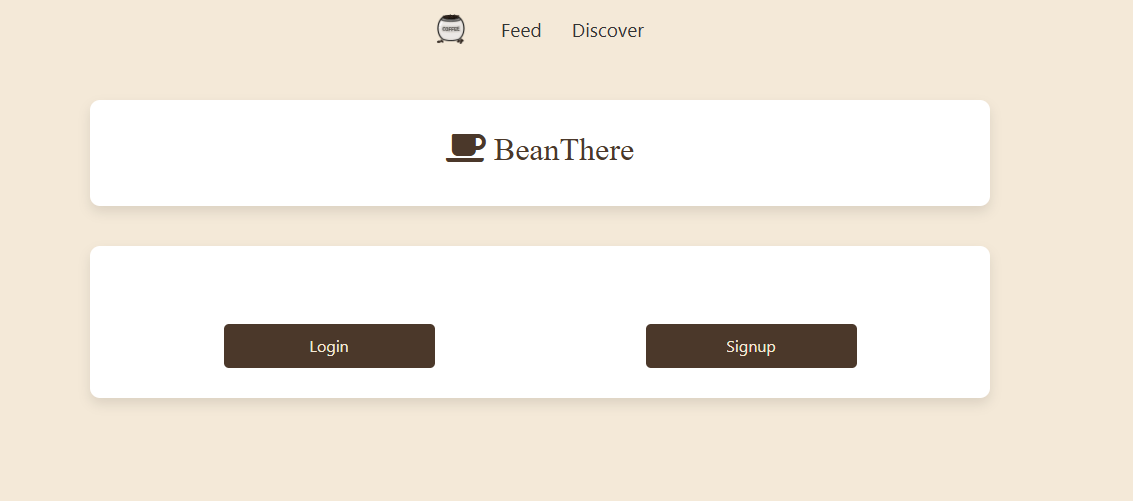
BeanThere
The Coffee Social Network is a full-stack web application enabling coffee enthusiasts to connect, share posts, comment,and receive personalized coffee recommendations through React.js
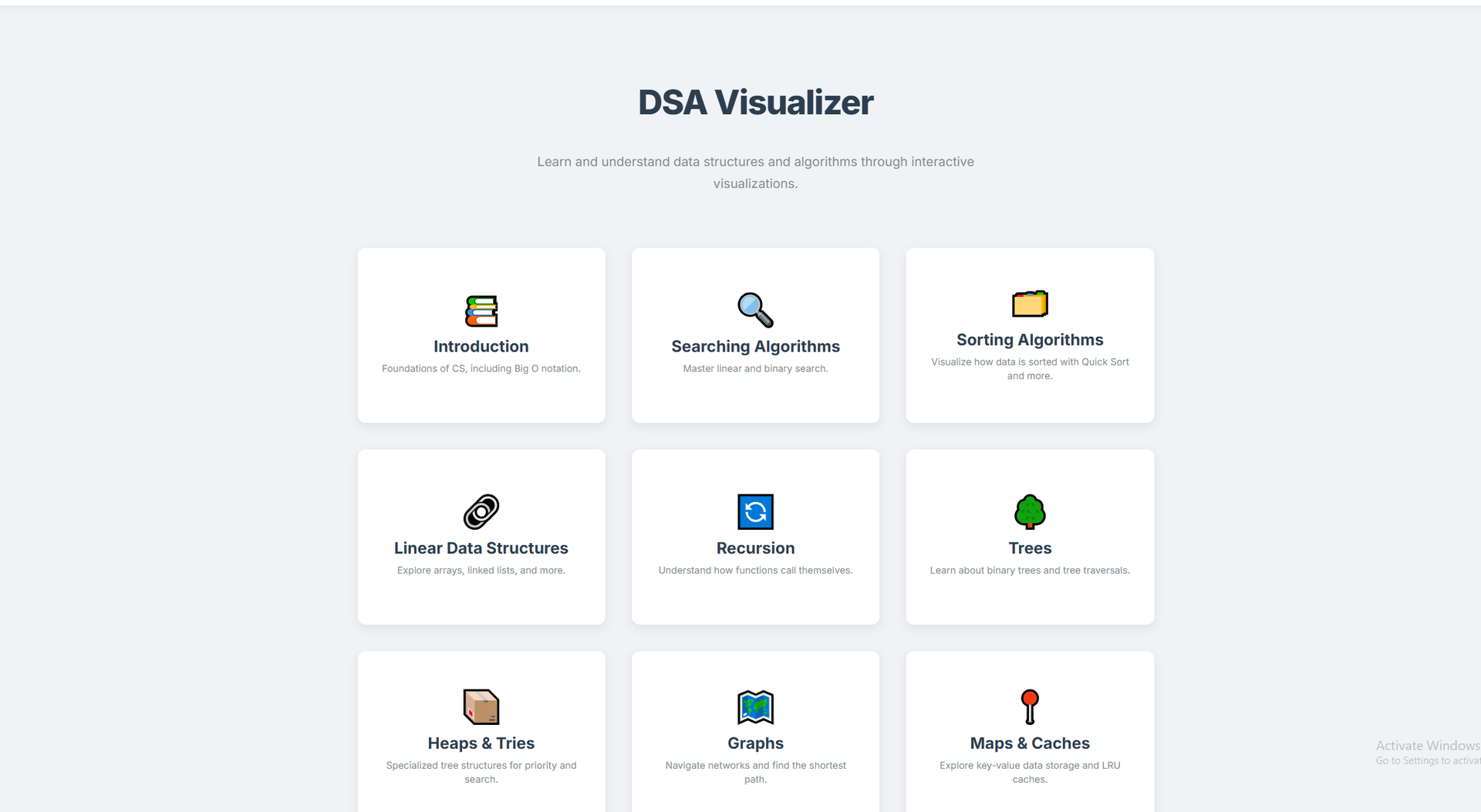
DSA Visualizer(currently polishing and refactoring)
As a visual learner, I found that most DSA tools were cluttered and didn’t clearly explain why algorithms behave the way they do. This led me to build a minimalistic and beginner-friendly(as friendly as I can make it) DSA Visualizer that focuses on intuition and algorithmic reasoning. Built with React and TypeScript, the platform shows how different algorithms operate through side-by-side comparisons. For example, users can compare linear search vs. binary search on the same dataset to see how algorithmic efficiency impacts performance. The system uses a modular architecture: each visualizer includes a dedicated engine (algorithm logic) and wrapper (UI orchestration), ensuring clean separation of concerns and making it easy to scale with additional algorithms and data structures.
100devs
Engineered and deployed modern, responsive full-stack web applications with RESTful APIs and MVC/OOP principles, consistently delivering features within an Agile (SCRUM) environment.
Judicial Council of California
The Associate Human Resources Analyst supports daily HR operations, processing transactions, conducting basic research, and assisting with HR system upgrades and deployments.
Successfully recruited diverse talent for critical roles, including L5+ Software Engineers (privacy/safety), Product Managers for high-impact products like Ads and eCommerce, and facilitated internal mobility for Product Managers (L4-L7), consistently optimizing hiring processes and candidate experience.
Rocket
Managed the full recruitment lifecycle for a variety of technical roles, from Software Engineers to Engineering Managers and Product Managers, consistently optimizing sourcing strategies and the candidate experience to achieve a high offer acceptance rate.
Aerotek
Performed full-cycle recruitment while recognized as Top Recruiter of the Month in light industrial, construction, and manufacturing sectors, while also mentoring new recruiters and improving team processes.